
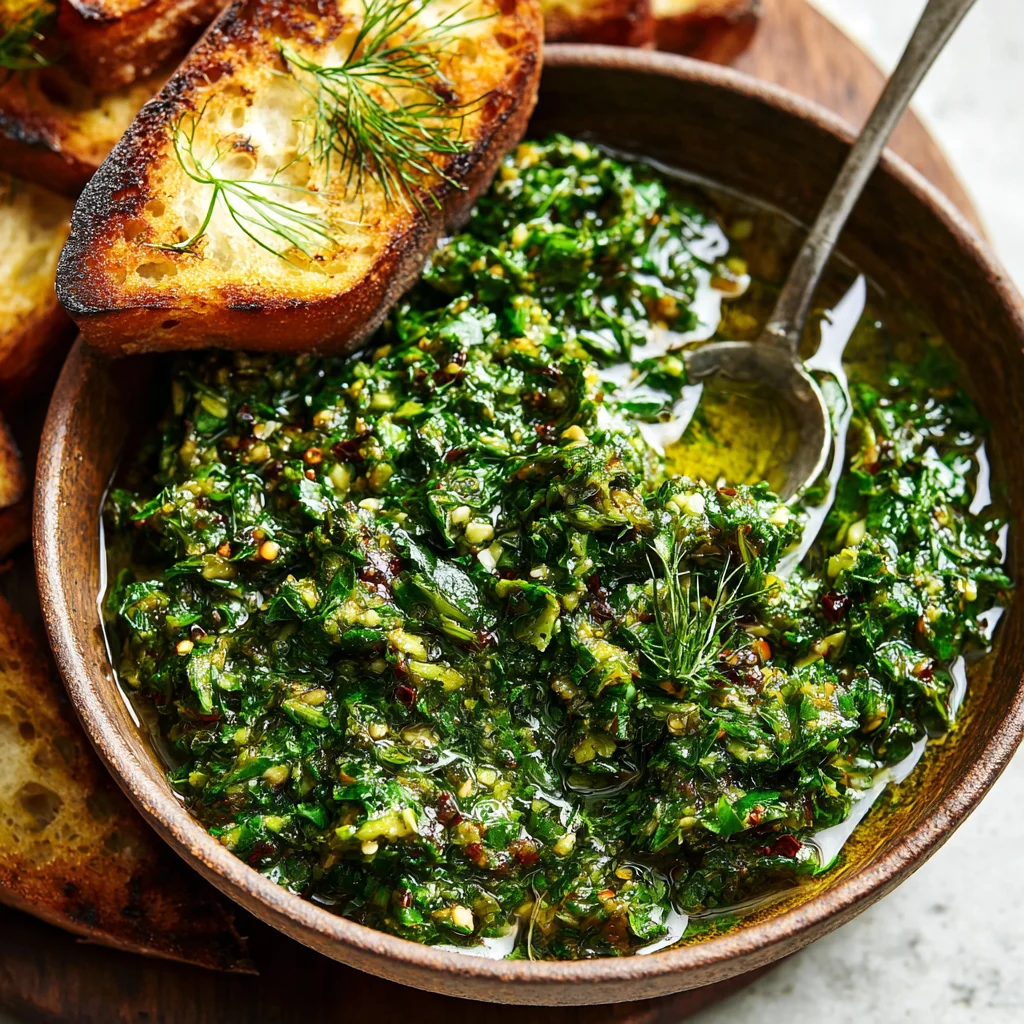
This gremolata classic Italian condiment is one of those little kitchen secrets that completely transforms a meal. Three humble ingredients — fresh parsley, lemon zest, and garlic — come together in minutes to create something bright, fragrant, and utterly alive. Scatter it over a slow-braised meat or a bowl of pasta and watch everyone at the table lean in closer.
Ingredients
- 1 cup fresh flat-leaf parsley, finely chopped (tightly packed)
- 2 teaspoons lemon zest (from about 1 large lemon)
- 2 cloves garlic, minced or finely grated
- 1 tablespoon extra-virgin olive oil (optional, for a looser texture)
- Pinch of flaky sea salt
Substitution Tips:
- Herb swap: Not a parsley fan? Try fresh mint or a mix of parsley and basil for a sweeter, more kid-friendly flavor.
- Citrus swap: Orange zest works beautifully in place of lemon, offering a milder, slightly sweeter finish that younger palates tend to love.
- Garlic-sensitive families: Swap raw garlic for a tiny pinch of garlic powder to keep the flavor gentle without the sharp bite.
Timing
- Prep Time: 5 minutes
- Cook Time: 0 minutes
- Total Time: 5 minutes
Meal-Prep Tip: Zest your lemon and chop the parsley the night before, storing them separately in small airtight containers in the fridge. When dinner rolls around, all you need is 60 seconds to pull this fresh herb topping together.
How to Make It
1. Prep Your Parsley
Rinse the flat-leaf parsley under cold water and pat it completely dry with a clean kitchen towel or paper towels. This step matters more than it seems — wet herbs will clump together and turn mushy rather than giving you that gorgeous, feathery texture. Strip the leaves from the thicker stems, then gather them into a tight pile on your cutting board. Use a sharp knife and chop with a rocking motion until the parsley is finely minced but still looks vibrant and green, not bruised or dark.
2. Zest the Lemon
Run a microplane or fine grater across the skin of a well-washed lemon, turning it as you go to collect only the bright yellow outer layer. Stop before you hit the white pith underneath — that part is bitter and will fight against the fresh, clean flavor you’re building. You should smell the oils releasing immediately, a sharp citrus perfume that fills the kitchen. Two teaspoons is your sweet spot for a balanced gremolata.
3. Mince the Garlic
Peel and finely mince the garlic cloves, or use a microplane to grate them directly into the mix for a smoother, more evenly distributed flavor. Raw garlic is bold, so a little really does go a long way here. If your family leans toward milder flavors, use just one clove and taste as you go. The garlic should whisper through the dish, not shout.
4. Combine Everything
Add the chopped parsley, lemon zest, and minced garlic to a small bowl. If you’d like a slightly looser, almost sauce-like consistency — perfect for drizzling over fish or roasted vegetables — stir in a tablespoon of good extra-virgin olive oil. Add a small pinch of flaky sea salt and toss everything together gently. Taste it. It should feel bright and herby with a little citrus lift and just a whisper of garlic warmth. This is your classic Italian gremolata at its best.
5. Use It Immediately or Rest It Briefly
Gremolata is at its most vibrant right after it’s made. For the fullest flavor, let it sit for about five minutes before serving — this brief rest allows the lemon and garlic to meld with the parsley in a way that tastes intentional and rounded rather than sharp and raw. Spoon it generously over osso buco, grilled chicken, roasted lamb, or any recipe that needs a finishing lift.
Nutritional Information
Per serving (approximately 1 tablespoon): Calories: 10 | Fat: 0.5g | Carbohydrates: 1g | Fiber: 0.3g | Protein: 0.3g | Sodium: 30mg. Values are approximate and will vary slightly based on olive oil inclusion.
Serving Suggestions
This Italian herb topping shines brightest when paired with rich, slow-cooked dishes that need a fresh counterpoint. Try it over:
- Braised short ribs or osso buco — the classic pairing for a reason.
- Creamy risotto — a spoonful on top adds color and a citrusy brightness kids actually notice.
- Simple roasted salmon or white fish — ready in under 20 minutes and feels restaurant-worthy.
Common Mistakes to Avoid
- Using curly parsley: Flat-leaf Italian parsley has a far more complex, peppery flavor. Curly parsley tends to taste flat and slightly bitter in comparison.
- Chopping too far in advance: The parsley oxidizes and loses its color and brightness quickly. Make it fresh, as close to serving as possible.
- Over-zesting into the pith: White pith adds bitterness that ruins the delicate balance. Stay in the yellow zone only.
- Adding too much garlic: Raw garlic intensifies as it sits. Start with one clove, taste, and add more only if needed.
Storing Tips
Store leftover gremolata in a small airtight container in the refrigerator for up to two days. The flavor is best on day one, but it still works beautifully as a spread or sandwich topping on day two. Freezing is not recommended, as the fresh herbs lose their texture and brightness completely once thawed.
Conclusion
This traditional gremolata recipe proves that the simplest things often make the biggest impact at the dinner table. Five minutes, three ingredients, and every plate looks and tastes like you really tried. Save this one, share it, and make it yours — your family will thank you for it.
FAQs
Can I make gremolata ahead of time?
Yes, but only by a few hours. Prep and store the individual components — parsley, lemon zest, and garlic — separately in the fridge, then combine just before serving for the freshest result.
My kids don’t like garlic. Can I leave it out?
Absolutely. The lemon and parsley still deliver a bright, flavorful topping without it. A tiny pinch of garlic powder is a good middle-ground option if you still want a hint of that savory depth.
What dishes work best with gremolata?
It was born alongside osso buco, but this classic Italian herb condiment works wonderfully on grilled chicken, roasted vegetables, lentil soup, and even scrambled eggs.
Can I use dried parsley instead of fresh?
Fresh is essential here. Dried parsley lacks the oils and texture that make gremolata what it is. There is really no good substitute for fresh herbs in this particular recipe.
Where can I find more recipes like this?
You can save this and discover more family-friendly ideas on our recipe board on Pinterest, updated regularly with seasonal and weeknight-friendly inspiration.
Gremolata Classic Italian
Ingredients
Method
- Rinse the flat-leaf parsley under cold water and pat it completely dry with a clean kitchen towel or paper towels. Wet herbs will clump together and turn mushy rather than giving you a gorgeous, feathery texture.
- Strip the leaves from the thicker stems, then gather them into a tight pile on your cutting board. Use a sharp knife and chop with a rocking motion until the parsley is finely minced but still looks vibrant and green, not bruised or dark.
- Run a microplane or fine grater across the skin of a well-washed lemon, turning it as you go to collect only the bright yellow outer layer. Stop before you hit the white pith underneath — that part is bitter.
- Collect two teaspoons of lemon zest for a balanced gremolata.
- Peel and finely mince the garlic cloves, or use a microplane to grate them directly into the mix for a smoother, more evenly distributed flavor.
- If your family leans toward milder flavors, use just one clove and taste as you go. The garlic should whisper through the dish, not shout.
- Add the chopped parsley, lemon zest, and minced garlic to a small bowl.
- If you’d like a slightly looser, almost sauce-like consistency, stir in a tablespoon of good extra-virgin olive oil.
- Add a small pinch of flaky sea salt and toss everything together gently. Taste — it should feel bright and herby with a little citrus lift and just a whisper of garlic warmth.
- For the fullest flavor, let the gremolata sit for about five minutes before serving. This brief rest allows the lemon and garlic to meld with the parsley so the flavors taste rounded rather than sharp and raw.
- Spoon it generously over osso buco, grilled chicken, roasted lamb, creamy risotto, or any dish that needs a fresh finishing lift.
Leave a Reply