
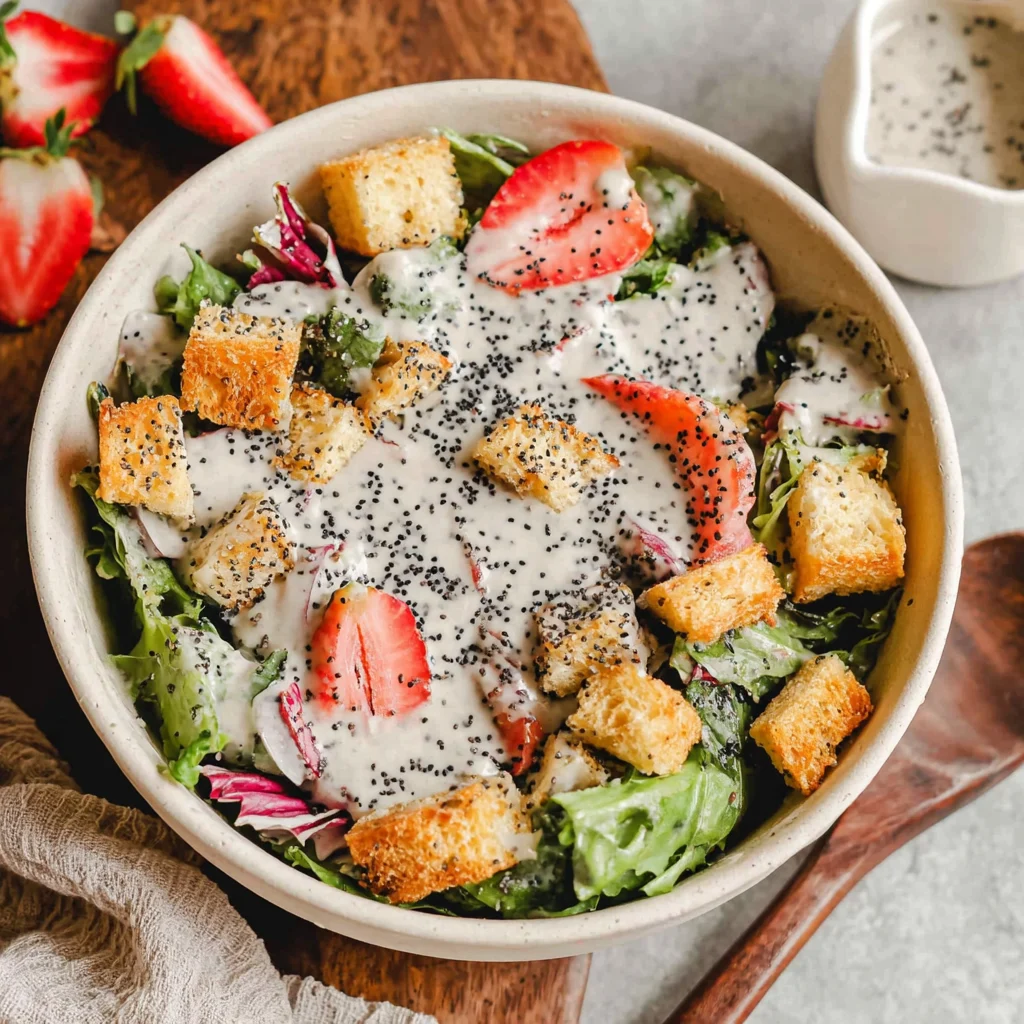
This homemade poppy seed dressing is the kind of recipe that earns a permanent spot in your fridge. Sweet, tangy, and ready in under five minutes, it transforms a simple green salad into something your family actually gets excited about. Once you taste how bright and balanced this creamy dressing is, store-bought bottles will feel like a distant memory.
Ingredients
- ⅓ cup granulated sugar
- ½ cup white wine vinegar
- 1 teaspoon dry mustard powder
- 1 teaspoon fine sea salt
- 1 cup neutral oil (avocado, vegetable, or light olive oil)
- 1 small shallot, finely minced (about 2 tablespoons)
- 1½ tablespoons poppy seeds
Substitution Tips:
- Lower sugar: Swap granulated sugar for honey or pure maple syrup for a more natural sweetness your kids will still love.
- Budget-friendly: Plain white distilled vinegar works well in place of white wine vinegar — just use slightly less since it’s sharper.
- No shallot? A small pinch of onion powder blended in gives a similarly mild, savory backbone without any texture.
Timing
- Prep Time: 5 minutes
- Cook Time: 0 minutes
- Total Time: 5 minutes
Meal-Prep Tip: Whip up a double batch on Sunday and keep it in a mason jar all week. Shake before each use and your weeknight salads are already halfway done.
How to Make Poppy Seed Dressing
1. Combine the Base Ingredients
Add the sugar, white wine vinegar, dry mustard powder, and salt into a blender or a tall jar if you’re using an immersion blender. Give everything a quick stir or pulse just to begin dissolving the sugar. You’ll notice the mixture smells sharp and bright — that’s exactly what you want. The vinegar is doing the heavy lifting here, building the tangy backbone that makes this sweet poppy seed dressing so irresistible on fruit salads and green salads alike.
2. Add the Shallot
Drop the minced shallot into the blender. This small but mighty ingredient is what separates a flat-tasting dressing from one with real depth. Shallot is milder than onion, so it blends beautifully without overpowering the sweetness. If you’re feeding picky eaters, blending it completely smooth works just as well — no detectable chunks, just pure savory flavor woven into every drop.
3. Stream in the Oil
With the blender running on low, slowly pour in the oil in a thin, steady stream. This slow pour is the key step — it emulsifies the dressing so it turns thick, creamy, and cohesive rather than oily and separated. You’ll see the color shift from pale and clear to a beautiful opaque ivory. If you’re whisking by hand, pour even more slowly and whisk vigorously in between additions. The dressing should look almost like a light vinaigrette, slightly thickened and glossy.
4. Stir in the Poppy Seeds
Turn off the blender and stir the poppy seeds in by hand using a spoon or spatula. Don’t blend them — you want those tiny seeds to stay whole. They add a lovely subtle crunch and visual charm that makes this homemade poppy seed dressing look as beautiful as it tastes. Taste the dressing at this stage and adjust — a little more sugar if you want it sweeter, a splash more vinegar if you like it tangier.
5. Taste and Store
Give your dressing one final taste. It should feel balanced — sweet up front, with a gentle tang that lingers and a whisper of mustard warmth in the finish. Pour it into a jar with a tight-fitting lid and refrigerate until ready to use. Check out our recipe index for more simple, family-friendly dressings and sauces to keep on rotation.
Nutritional Information
Per 2-tablespoon serving (approximate): 160 calories, 14g fat, 8g carbohydrates, 8g sugar, 0g protein, 0g fiber. Values will vary slightly based on the oil used and exact quantities.
Serving Suggestions
- Classic spinach salad: Toss with baby spinach, sliced strawberries, candied pecans, and crumbled feta for a crowd-pleasing combination.
- Fruit salad drizzle: Drizzle over a bowl of mixed berries, mandarin oranges, and grapes — kids love it.
- Grilled chicken pairing: Serve alongside simple grilled chicken breasts for a light, balanced weeknight dinner plate.
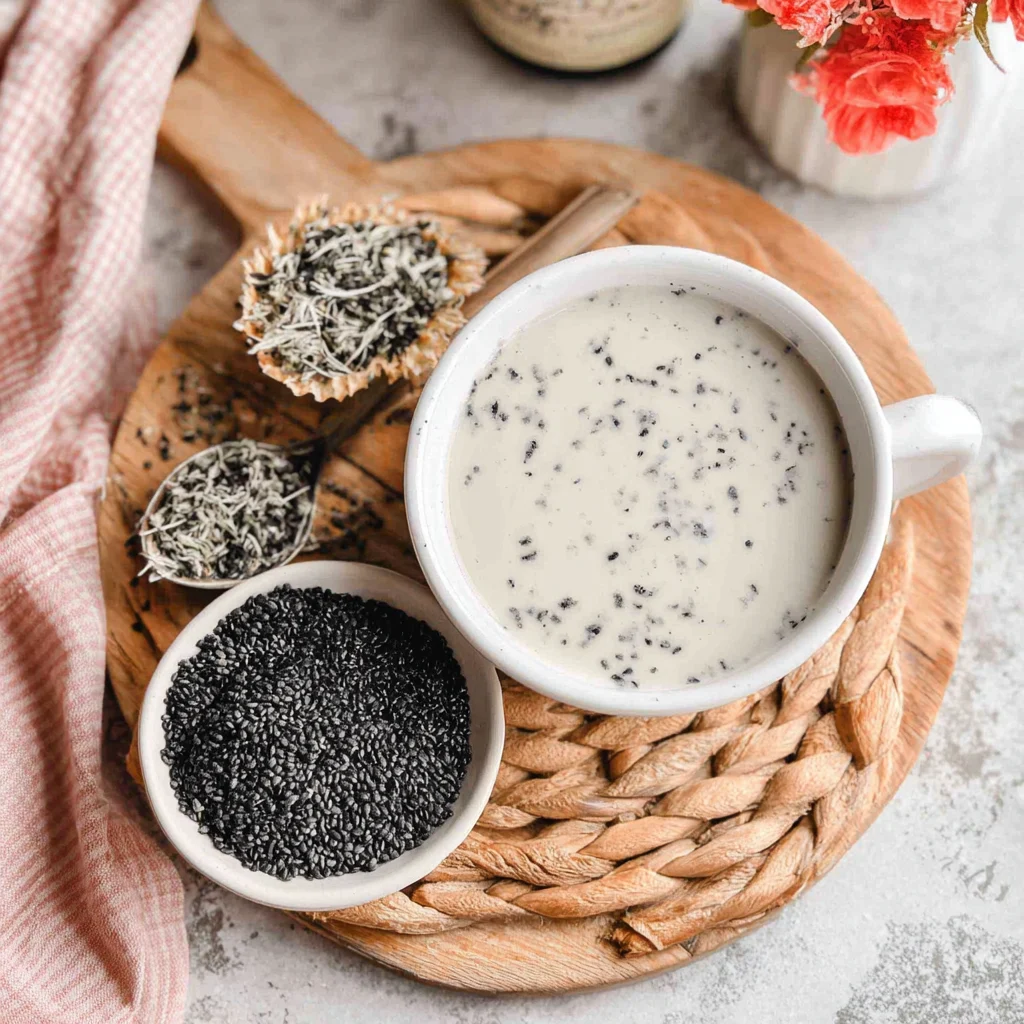
Common Mistakes to Avoid
- Adding oil too fast: Pouring the oil in all at once will break the emulsion and leave you with a separated, greasy dressing. Always stream it in slowly.
- Blending the poppy seeds: Blending them in crushes the seeds and muddies the texture. Stir them in gently at the very end.
- Skipping the taste test: Every batch of vinegar and sugar is slightly different. Always taste before serving and adjust the balance to your family’s preference.
- Using extra virgin olive oil: It has a strong, grassy flavor that can overpower the delicate sweetness. Stick with a lighter, neutral oil for the best result.
Storing Tips
- Refrigerator: Store in a sealed glass jar for up to 2 weeks. The dressing will thicken when cold — just let it sit at room temperature for 5 minutes and shake well before using.
- Freezer: Freezing is not recommended, as the emulsion will break and the texture won’t recover properly once thawed.
Conclusion
This sweet and tangy poppy seed dressing is proof that the best things in your kitchen take almost no time at all. Five simple ingredients, one jar, and your salad game changes completely. Try it this week and share your creation — save it to your boards on Pinterest so you always have it when you need it!
FAQs
Can I make this poppy seed dressing without a blender?
Absolutely. Whisk the sugar, vinegar, mustard, and salt together in a bowl, mince the shallot as finely as possible, then slowly drizzle in the oil while whisking constantly. It takes a little more elbow grease but works beautifully.
Why did my dressing separate in the fridge?
This is completely normal. Cold temperatures cause oil-based dressings to solidify and separate. Simply remove the jar from the fridge 5 to 10 minutes before serving and shake vigorously until creamy again.
My kids don’t like the texture of poppy seeds. What can I do?
You can reduce the amount of poppy seeds to just a teaspoon, or blend the finished dressing completely smooth and strain it. The flavor remains just as delicious without the texture.
Can I use apple cider vinegar instead?
Yes, apple cider vinegar is a wonderful substitute. It adds a slightly fruitier, more mellow tang that works especially well when serving this dressing over fruit salads.
How long does homemade poppy seed dressing last?
Stored in a clean, airtight jar in the refrigerator, it stays fresh and flavorful for up to two weeks. Always use a clean spoon or pour directly to avoid contamination.
Poppy Seed Dressing
Ingredients
Method
- Add the sugar, white wine vinegar, dry mustard powder, and salt into a blender or a tall jar if using an immersion blender. Give everything a quick stir or pulse just to begin dissolving the sugar.
- Drop the minced shallot into the blender. If feeding picky eaters, blend it completely smooth so there are no detectable chunks — just pure savory flavor woven into every drop.
- With the blender running on low, slowly pour in the oil in a thin, steady stream to emulsify the dressing until it turns thick, creamy, and cohesive. If whisking by hand, pour even more slowly and whisk vigorously in between additions until the dressing looks slightly thickened and glossy.
- Turn off the blender and stir the poppy seeds in by hand using a spoon or spatula — do not blend them, as you want the seeds to stay whole for subtle crunch and visual charm. Taste the dressing and adjust — add a little more sugar if you want it sweeter, or a splash more vinegar if you like it tangier.
- Give the dressing one final taste to ensure it feels balanced — sweet up front, with a gentle tang and a whisper of mustard warmth in the finish. Pour into a jar with a tight-fitting lid and refrigerate until ready to use.
Leave a Reply